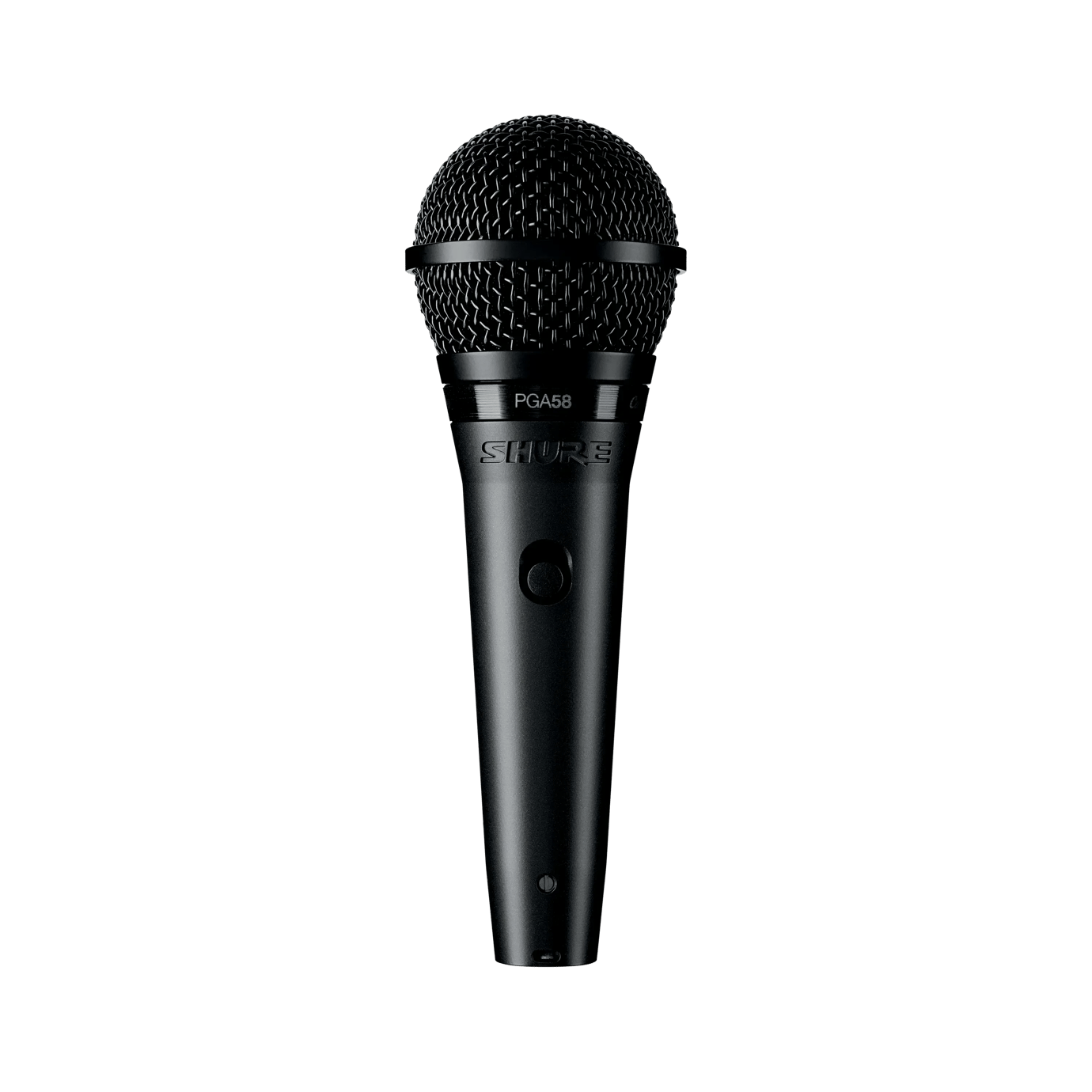
Why Microphones Matter: A Deep Dive into Their Impact on Sound Quality
Microphones are an essential component in the audio production chain, significantly influencing the overall sound quality of recordings and live performances. The choice of microphone can affect clarity, detail, and tonal balance, making it crucial for audio engineers, musicians, and content creators alike to understand their impact. Whether capturing the subtle nuances of a vocalist's breath or the powerful thump of a bass drum, the right microphone can enhance the listening experience by delivering a faithful representation of the sound source. As we delve deeper into their significance, it's clear that their role extends beyond mere sound capture; they shape the very essence of audio perception.
Consider the various types of microphones available, each designed for specific applications. For example, dynamic microphones are favored for live performances due to their durability and ability to handle high sound pressure levels, while condenser microphones excel in studio settings where capturing a wide frequency range and transient detail is paramount. Additionally, factors like microphone placement and room acoustics can further influence sound quality, demonstrating that the art of mic selection and usage is a nuanced process. Ultimately, understanding why microphones matter not only helps in choosing the right equipment, but also empowers creators to achieve their desired sound with precision.
Counter-Strike is a popular tactical first-person shooter game that pits teams of terrorists against counter-terrorists in various objective-based missions. Players must work together, strategize, and utilize their skills to outsmart the opposing team. For those interested in expanding their creative capabilities, check out the Top 10 Mobile Vlogging Accessories to enhance your gameplay experience and capture your best moments.
Choosing the Right Microphone: Essential Tips for Every Audio Enthusiast
Choosing the right microphone is crucial for achieving high-quality audio in various applications, whether you're a podcaster, musician, or content creator. With a myriad of options available, it's essential to understand your specific needs. Consider factors such as polar patterns, budget, and the environment in which you'll be recording. For instance, if you plan to record vocals in a studio setting, a cardioid microphone might be ideal due to its ability to capture sound from the front while minimizing background noise.
Additionally, take into account the type of connection you prefer. USB microphones are user-friendly and perfect for beginners, while XLR microphones offer advanced features and the potential for greater sound quality. As you make your decision, it might also be helpful to read reviews and listen to sound samples online. Remember, the right microphone can significantly impact your audio quality, so take the time to research and invest wisely.
The Evolution of Microphone Technology: What You Need to Know
The evolution of microphone technology has significantly transformed how we capture sound, enhancing both the quality and accessibility of audio recording. Starting from the early carbon microphones of the late 19th century, which relied on carbon grains to convert sound into electrical signals, advancements have led to the development of various types of microphones, including dynamic, condenser, and ribbon microphones. Each type offers unique benefits tailored for different applications, ranging from live performances to studio recordings. As technology progressed, the introduction of digital microphones and USB connectivity revolutionized the way users interact with audio devices, making high-quality sound more attainable than ever.
Today, it’s important to understand the key features that differentiate modern microphones. For instance, polar patterns determine how microphones pick up sound from different directions, affecting their performance in various environments. Directional microphones such as cardioid types are favored in live settings for their ability to isolate sound, while omnidirectional models capture audio comprehensively, making them ideal for interviews. Additionally, with the rise of podcasting and home recording, the demand for high-fidelity microphones has surged, leading to innovative designs and functionalities. As microphone technology continues to evolve, staying informed on these advancements is essential for anyone looking to enhance their audio recording experience.