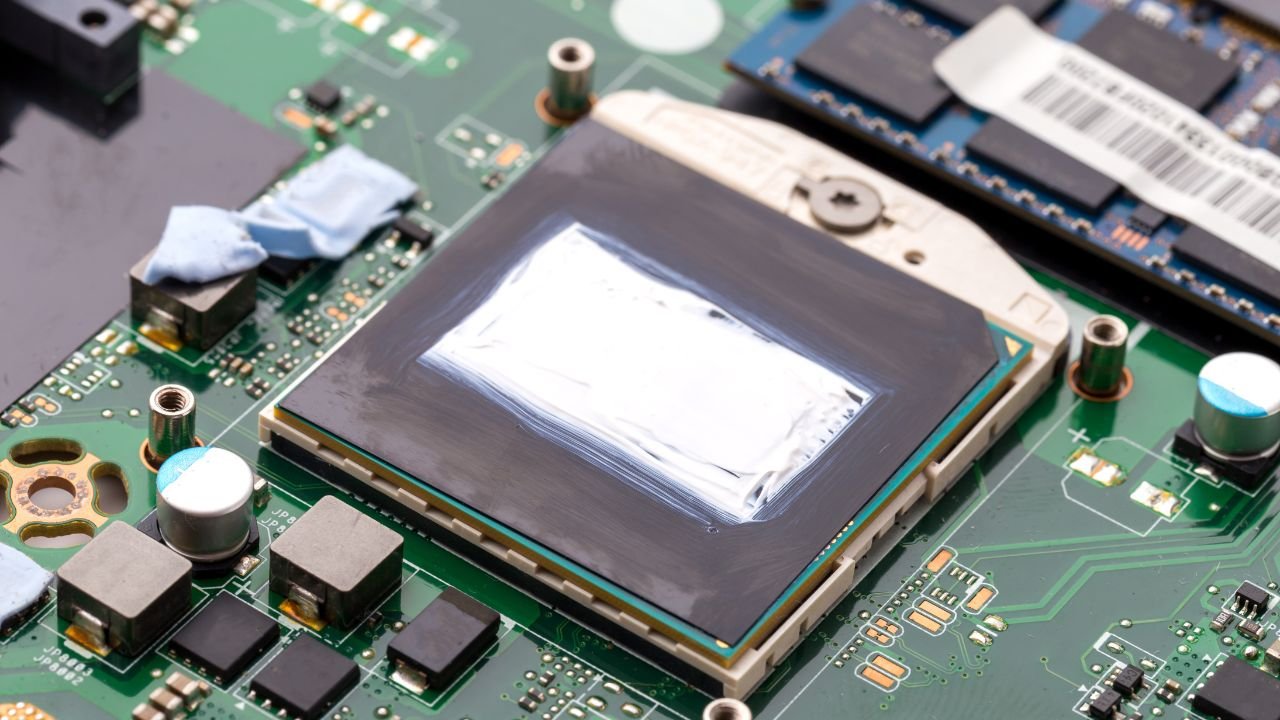
What is Thermal Paste and Why is it Essential for Your PC?
Thermal paste is a crucial component in the cooling system of your PC, acting as a thermal interface material that improves heat dissipation between your processor and the heatsink. It is designed to fill microscopic gaps between the surfaces, ensuring that heat is effectively transferred away from the CPU. By enhancing thermal conductivity, thermal paste helps to maintain optimal operating temperatures, preventing overheating that could compromise performance and longevity. Without thermal paste, your computer’s components could become dangerously hot, leading to throttling or even permanent damage.
Applying thermal paste correctly is essential for efficient cooling. When installing a new CPU or heatsink, ensure that you use an appropriate amount of paste—typically a small, pea-sized dot in the center of the chip or a thin line across the surface. After placing the heatsink, the pressure will spread the paste evenly. Remember to consider the type of thermal paste as well, as different formulations offer varying levels of conductivity and longevity. Regular maintenance or reapplication of thermal paste every few years can significantly improve your PC’s thermal performance, ensuring that your system runs smoothly and efficiently.
Counter-Strike is a popular tactical first-person shooter that pits teams of terrorists against counter-terrorists in various mission scenarios. Players can enhance their gaming experience by using the right tools and gear, such as Top 10 Laptop Accessories to Prevent Overheating. The game's strategic depth, combined with its competitive nature, has made it a staple in the esports community.
The Impact of Thermal Paste on CPU and GPU Performance
The application of thermal paste plays a crucial role in optimizing the performance of both CPUs and GPUs. This compound enhances thermal conductivity between the chip and its cooler, facilitating efficient heat dissipation. A properly applied layer of thermal paste can significantly lower temperatures, which in turn helps maintain stable performance during demanding tasks. Neglecting this essential step can lead to overheating, throttling, and ultimately reduced lifespan of your components. Therefore, ensuring the correct application of thermal paste can result in noticeable improvements in system performance and longevity.
Inadequate or aged thermal paste can hinder the effectiveness of your cooling solution, leading to several performance-related issues. When thermal paste becomes dry or uneven, it forms air pockets that limit heat transfer, causing the CPU or GPU to run at higher temperatures. This scenario often results in increased fan speeds and noise, as well as potential system instability during peak loads. To maintain optimal performance, it's advisable to periodically replace the thermal paste, particularly if you're overclocking your hardware or experiencing thermal throttling. Overall, understanding the impact of thermal paste on your CPU and GPU can lead you to make informed decisions that enhance your gaming or computing experience.
How to Properly Apply Thermal Paste: A Step-by-Step Guide
Applying thermal paste correctly is crucial for maintaining optimal temperatures in your CPU or GPU. To start, gather your materials: a clean surface, high-quality thermal paste, and a lint-free cloth. Step 1: Clean the surface of the CPU or GPU using the lint-free cloth to remove any old thermal paste or dust. Step 2: Apply a small amount of thermal paste—about a pea-sized dot—in the center of the chip. This quantity is usually sufficient for even spreading when you attach the heatsink.
Once the paste is applied, it's time to install the heatsink. Step 3: Carefully place the heatsink on top of the processor, ensuring it is aligned properly. Step 4: Slowly press down to allow the thermal paste to spread evenly across the surface. Avoid twisting or moving the heatsink back and forth, as this can cause air bubbles to form. Step 5: Finally, secure the heatsink in place according to the manufacturer's instructions. By following this step-by-step guide, you can ensure that your components stay cool and perform efficiently.