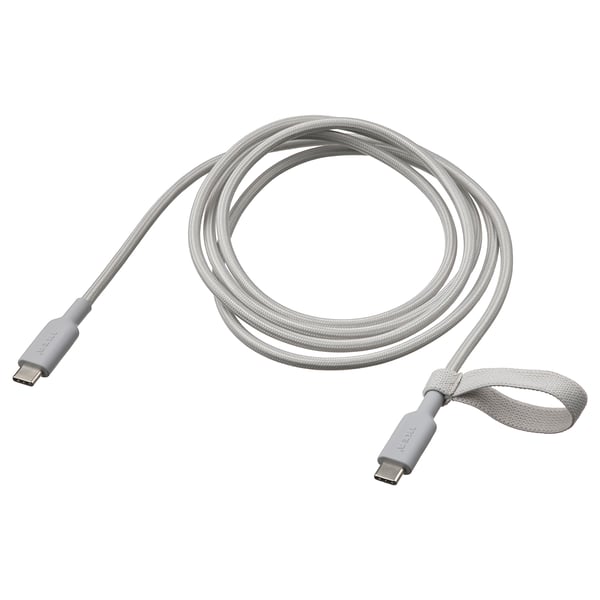
What Makes USB-C the Go-To Connector for Modern Devices?
In recent years, USB-C has emerged as the standard connector for modern devices, revolutionizing the way we charge and connect our gadgets. Unlike its predecessors, USB-C features a reversible design that eliminates the hassle of fumbling with a connector during use. This compact and versatile interface supports a wide variety of protocols, enabling high-speed data transfer and multi-functional capabilities. Whether it's syncing data, delivering power, or connecting to external displays, USB-C simplifies our tech experience by combining multiple functions into a single connector.
One of the standout features of USB-C is its ability to deliver up to 100 watts of power, which means it can charge everything from smartphones to laptops with ease. Additionally, the protocol supports USB Power Delivery, allowing devices to communicate and negotiate the ideal power level needed for efficient charging. This not only enhances performance but also reduces the need for multiple cables and chargers cluttering our spaces. As more manufacturers adopt this ubiquitous interface, it's clear that USB-C is set to remain the go-to connector for modern devices.
Counter-Strike is a popular first-person shooter game that emphasizes teamwork and strategy. Players can choose to be either terrorists or counter-terrorists, with the goal of completing objectives or eliminating the opposing team. For gamers looking to enhance their gaming experience, consider checking out the Top 10 usb c accessories that can improve performance and connectivity.
USB-C vs. Other Connectors: Why It Wins the Battle
In the ever-evolving landscape of technology, USB-C stands out as a universal solution that outperforms other connectors like USB-A, USB-B, and even Lightning connectors. One of its key advantages is the reversibility of the connector, eliminating the frustrating experience of fumbling to insert the cable correctly. Additionally, USB-C offers a higher power delivery rate, allowing for faster charging of devices compared to its predecessors. With support for multiple protocols, including data transfer, video output, and power, it's clear that USB-C has emerged as the go-to choice for modern devices.
When comparing USB-C to other connectors, it's important to highlight its versatility. Not only does it support various data transfer speeds—ranging from USB 2.0's 480 Mbps to USB 3.2's impressive 20 Gbps—but it also accommodates a wider range of devices, from smartphones to laptops and even gaming consoles. Moreover, as more manufacturers adopt this standard, users can enjoy a streamlined experience with fewer cables and adapters, paving the way for a truly connected ecosystem. This sense of interconnectivity is what ultimately makes USB-C the clear winner in the connector showdown.
How to Choose the Right USB-C Cable: A Comprehensive Guide
Choosing the right USB-C cable can significantly impact your device's performance and longevity. With a myriad of options available in the market, it's crucial to understand the different types and specifications. First, consider the cable type: you may encounter USB 2.0, USB 3.0, and USB 3.1. Each type offers varying data transfer speeds and capabilities. For optimal performance, especially if you transfer large files or use the cable for high-speed charging, opt for a USB 3.1 cable. Additionally, examine the cable's power delivery (PD) specification—cables supporting higher wattage (like 60W and above) are essential for quick charging of devices like laptops.
Next, prioritize cable length. While longer cables offer more flexibility in setup, they can also lead to reduced performance due to increased resistance. For most users, a length of 3 to 6 feet is ideal. Always choose cables from reputable brands to ensure quality and safety. Reviewing customer reviews can also provide insight into the cable's durability. Lastly, check for certifications such as USB-IF (USB Implementers Forum)—these ensure that the cable meets industry standards for safety and performance.