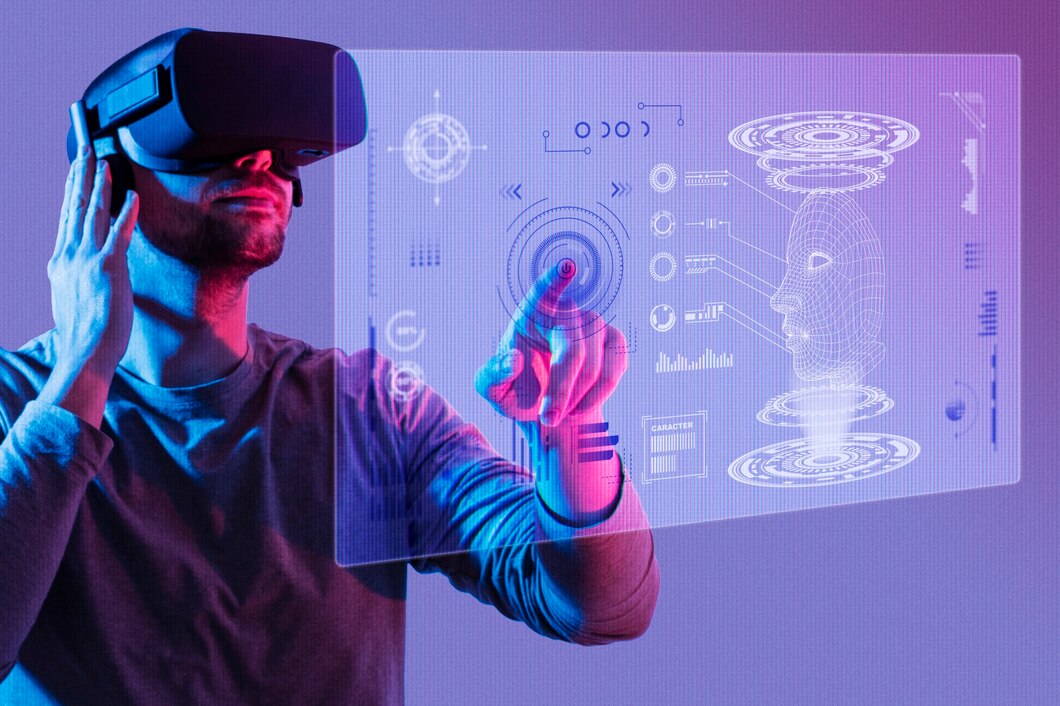
The Hidden Benefits of VR: Unlocking Real-World Skills
Virtual Reality (VR) has rapidly evolved from a niche entertainment medium into a transformative technology that can substantially enhance real-world skills. One of the most significant hidden benefits of VR is its ability to provide immersive training experiences across various fields, from medicine to aviation. For instance, medical students can practice surgeries in a risk-free environment, honing their techniques and improving their decision-making skills without the pressure of real-life stakes. This immersive learning not only speeds up the educational process but also significantly boosts retention of knowledge, leading to a more competent workforce in crucial industries.
Moreover, VR offers an unparalleled platform for soft skills development, such as communication, teamwork, and leadership. Through simulation scenarios, users can engage in realistic interactions, allowing them to refine their interpersonal skills. For example, a corporate team can participate in a VR-based exercise that mirrors real-life challenges, enhancing collaboration and problem-solving abilities. By practicing in a controlled and engaging environment, individuals become better equipped to tackle real-world challenges, making VR a powerful tool for personal and professional growth.
Counter-Strike is a popular tactical first-person shooter game that has captivated players around the world. Known for its team-based gameplay, players can choose to be either terrorists or counter-terrorists in various game modes. For those looking to enhance their gaming experience, check out the Top 10 apple vision pro head straps to ensure comfort during long play sessions.
Is Virtual Reality Just a Trend? Exploring Its Long-Term Impact
The rise of virtual reality (VR) has sparked significant debate about whether it is merely a passing trend or if it will have lasting implications across various sectors. Initially popularized in the gaming industry, VR technology has expanded into fields such as education, healthcare, and real estate. With its immersive experiences, many experts believe that VR is poised to redefine how we engage with digital content. As businesses begin to recognize the potential of virtual reality to enhance customer experiences and training programs, the question arises: can this novelty withstand the test of time?
One indicator of VR's long-term viability is the continuous investment from major tech companies. Companies like Meta and Google are pouring resources into developing more affordable VR hardware and engaging software experiences. Additionally, as the technology becomes more accessible, its applications beyond entertainment are growing. For example, industries are utilizing VR for virtual training simulations, therapeutic practices, and collaborative remote workspaces. These developments suggest that virtual reality is more than just a fad; it has the potential to influence the way we work, learn, and interact in the future.
What Are You Missing Out on? A Deep Dive into the Limitations of VR
While Virtual Reality (VR) has made significant strides in recent years, what are you missing out on? The immersive experience offered by VR can feel mind-blowing, but it still faces critical limitations that may hinder its widespread adoption. For instance, the current hardware can be quite prohibitive, both in terms of cost and physical space requirements. Users often need a dedicated area, and even then, the setup can be cumbersome. Moreover, many experiences are designed for specific hardware, leading to fragmentation within the market, which can confuse potential users regarding what device will serve them best.
Furthermore, VR technology can induce discomfort or missing out on experiences due to issues like motion sickness and eye strain. These physical limitations mean that not every user can fully engage with VR content. The content available also remains relatively limited in terms of variety and depth, with many users finding that after the initial thrill, the novelty wears off. As developers strive to create more engaging applications, the challenge remains: how to ensure that the VR experience evolves beyond mere novelty into something that seamlessly integrates into our daily lives.